
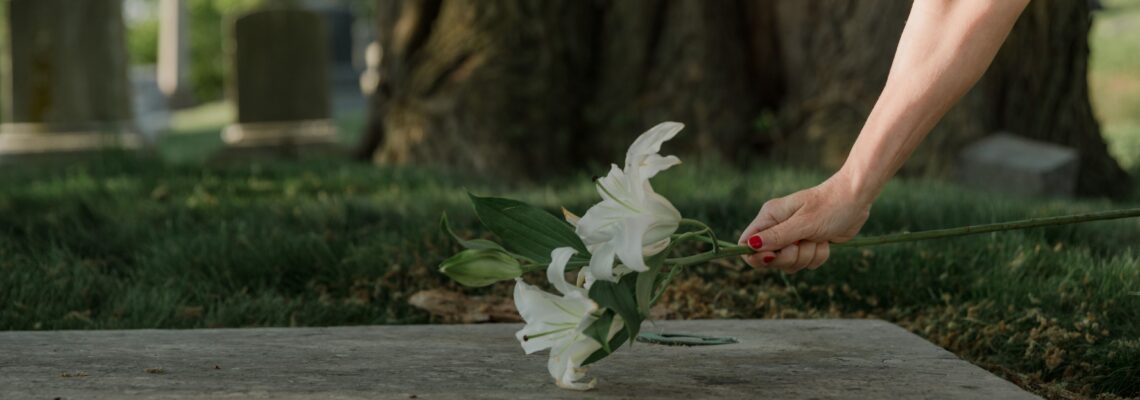
Grief
Jim Carrey once spoke about grief in a way that left many people speechless.
Not because it was poetic, but because it was painfully relatable. He said that grief is not just an emotion. It is an unraveling. A place where someone lived in your heart, and now they are no longer there.
Everyone over the age of fifty knows this truth all too well. You have buried parents. Friends. Spouses. Brothers and sisters. Sometimes even children. Loss is not a chapter you close. It is a room you walk past every day.
At first, grief feels overwhelming. It pounds in your chest when you wake up. It follows you into quiet rooms. It appears in supermarket aisles, in old songs on the radio, in empty chairs at family gatherings. People around you continue their lives, and inside you want to scream because your world has stopped, but no one notices.
Then time passes. Not because you wanted it to. Not because you were ready. Time passes anyway.
The pain does not disappear. It changes. The sharp edges become less sharp, but the weight remains. You stop crying every day, but the grief settles deeper inside you. You learn to carry it to work, to birthdays, to holidays. You smile while holding something broken inside, and no one can see it.
This is the part people rarely say out loud. You never get over it. You learn to live with it.
The love you had does not die. It resurfaces when you laugh and then feel sad because you laughed. It comes up when you reach for the phone and realize there is no one to call. It lives on in old photographs, in familiar scents, in habits you still cannot break. That love remains because it was real.
And that is not weakness.
Grief is not something to hide. It is not something to be ashamed of. It is proof that your heart was brave enough to love deeply. In a world that teaches people to be guarded, you still loved. That matters.
There is no schedule for grief. Anyone who tells you otherwise has never truly lost someone. Some days you feel steady. Other days, a small memory brings you to your knees. Both days are normal.
Jidske Berkhout